역사의 풍파와 사라진 사찰들
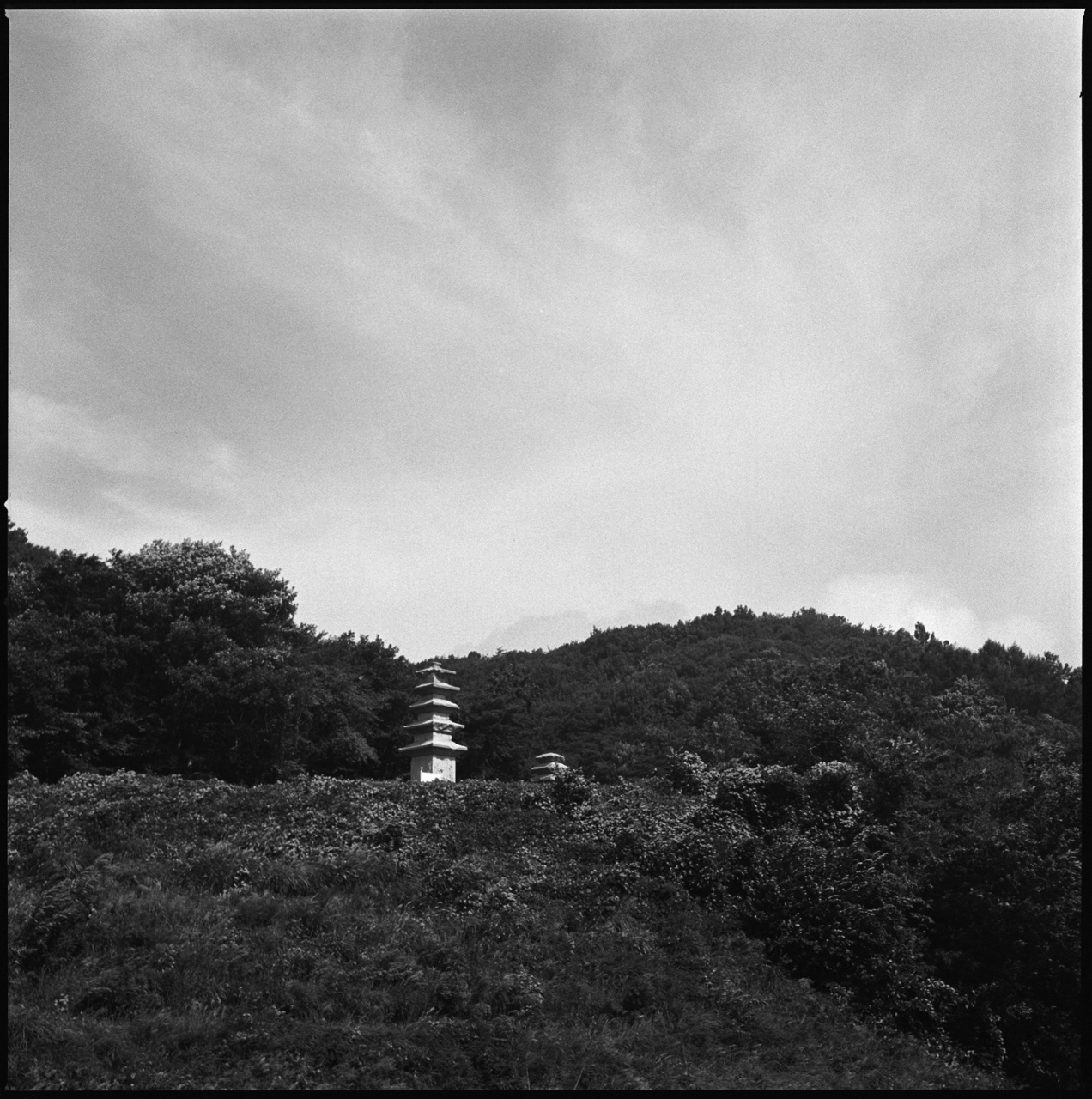
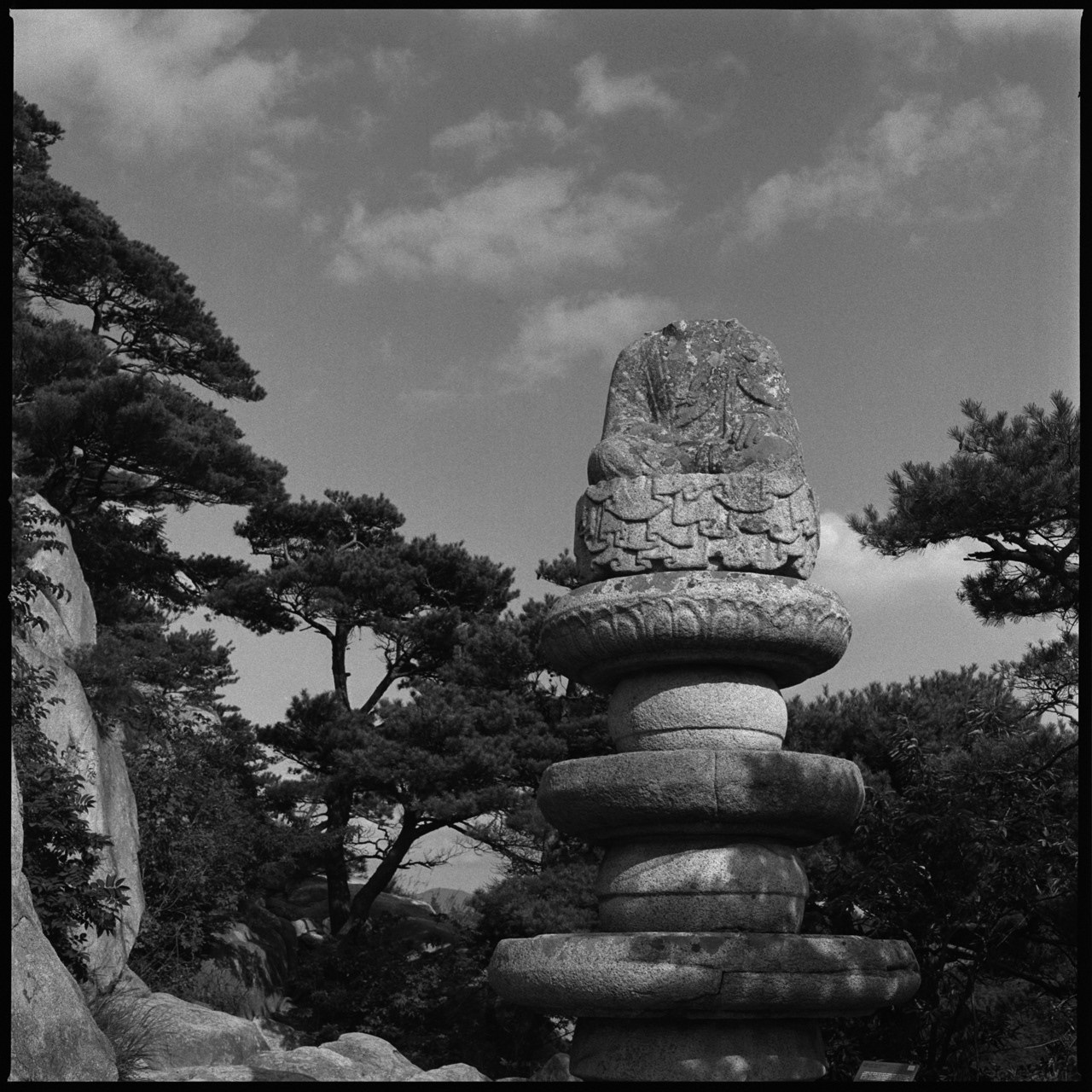
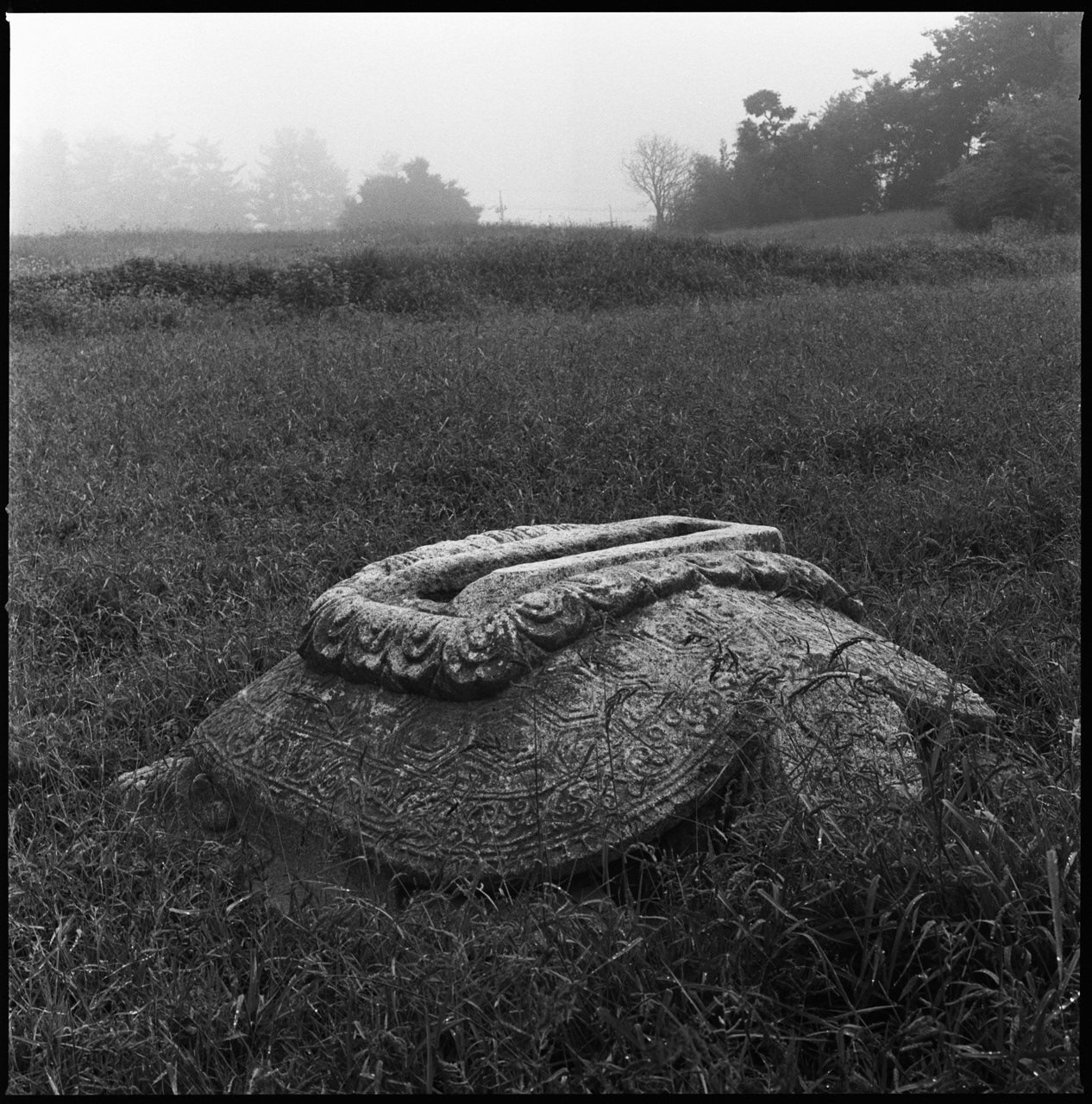
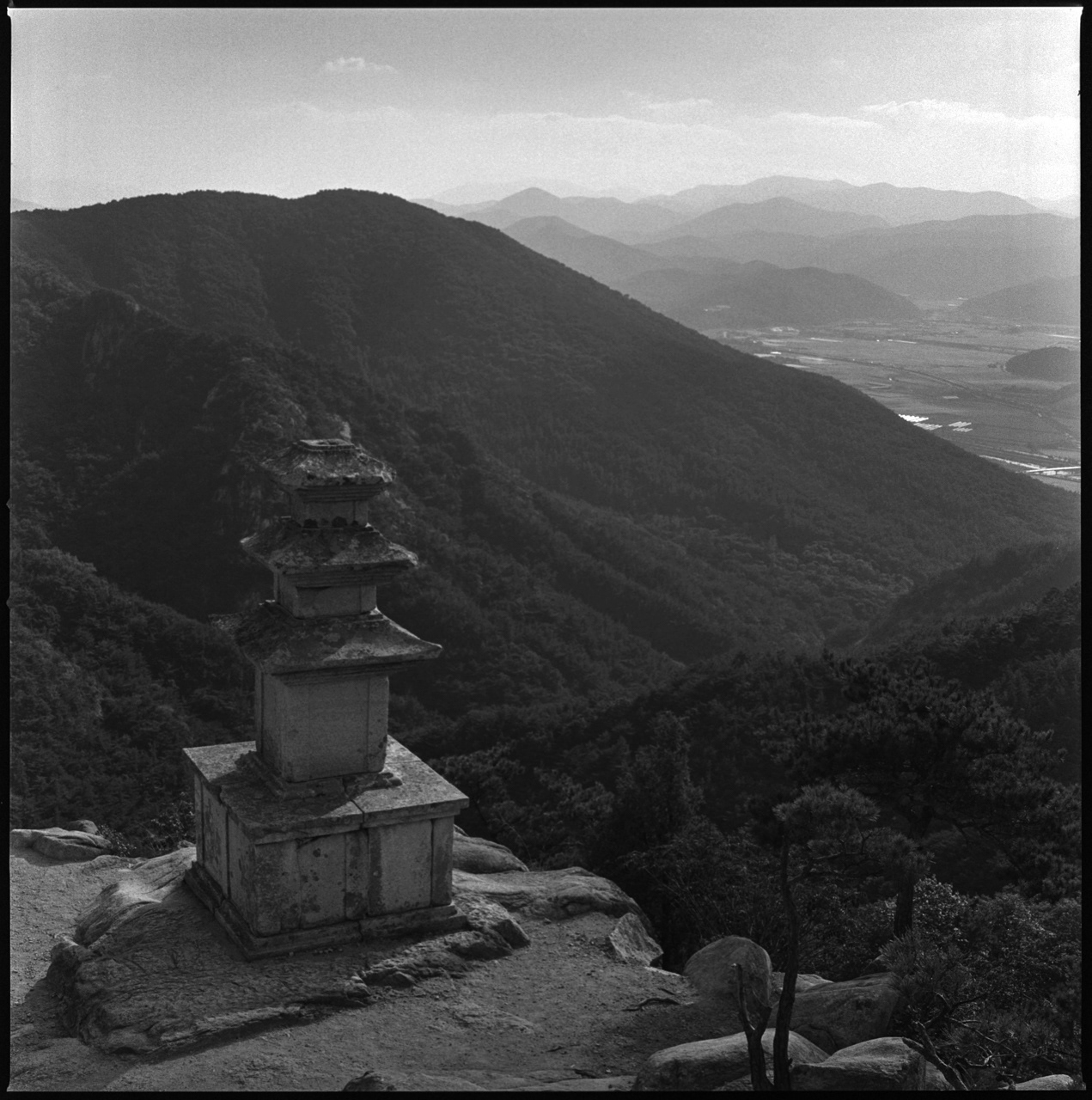
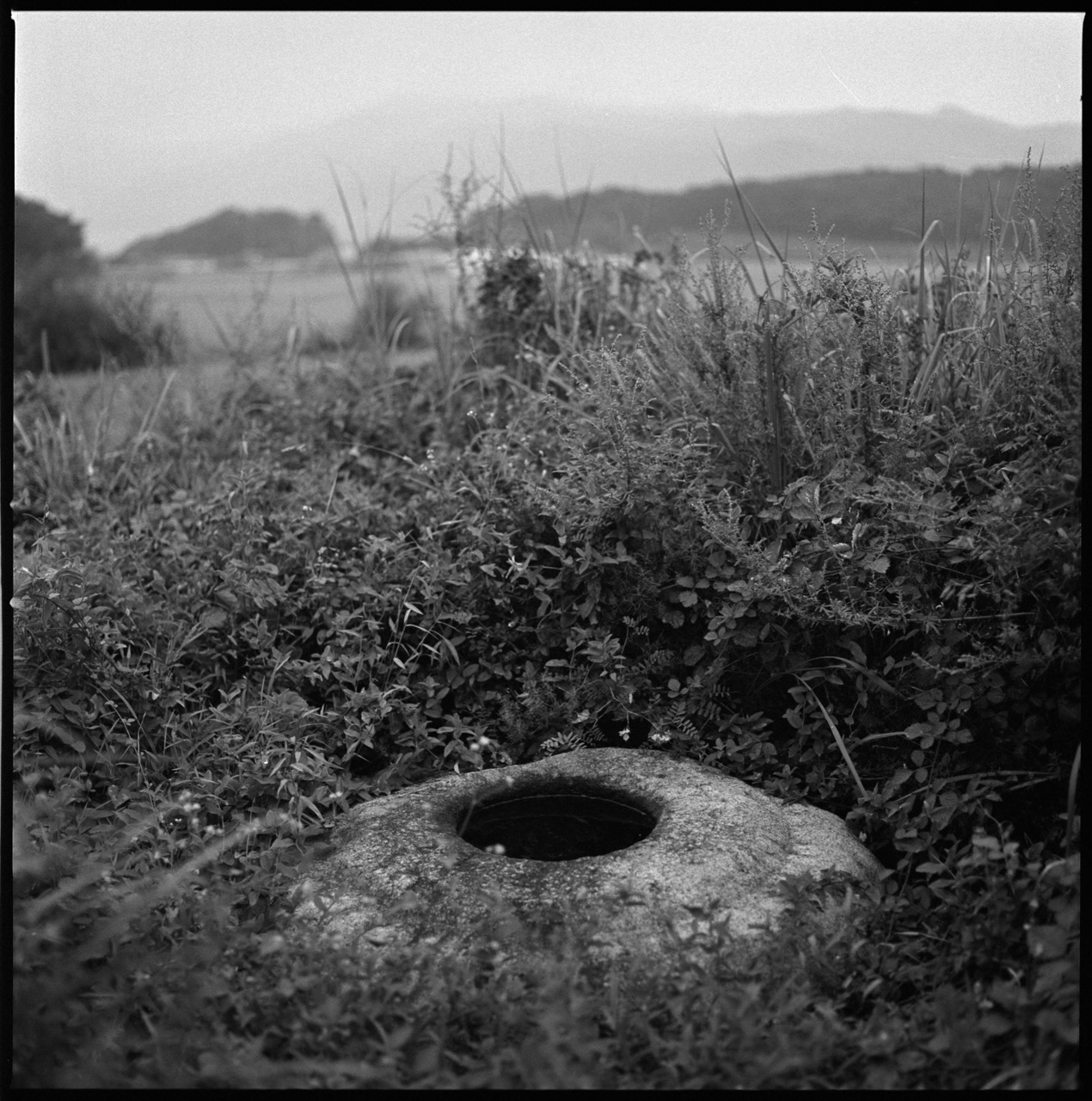
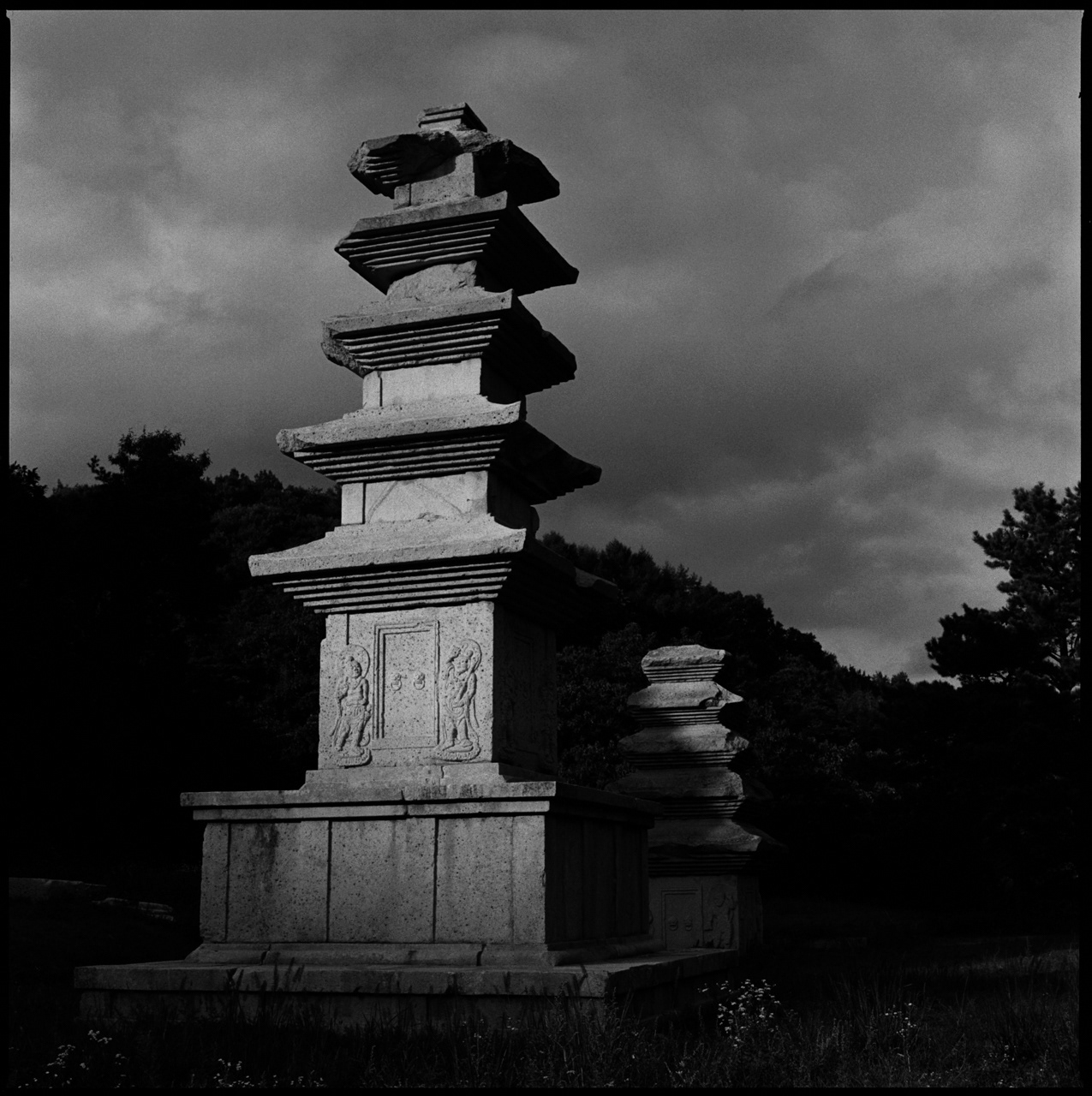
폐사지는 말 그대로 현재는 사라지고 사용되지 않는 사찰의 터이다. 이는 단순한 돌덩이가 아니라, 이 땅을 살아온 사람들의 손길이 남아있는 유적이다. 국내에는 현재 존재하는 사찰보다 폐사지의 수가 훨씬 많다. 그 많던 사찰들은 모두 어떻게 사라진 것일까. 한반도는 역사적으로 잦은 침략을 받아왔으며, 그 과정에서 많은 문화재가 소실되었다. 특히 목조로 지어진 사찰들은 전란을 피해 가기 어려웠다. 주로 몽골의 침략과 임진왜란 당시 수많은 사찰이 소실되고 파괴되었다. 이뿐만 아니라 조선 시대의 억불숭유(抑佛崇儒) 정책과 묏자리 쟁탈, 그리고 한국전쟁 등을 거치며 수천 개의 유서 깊은 사찰이 사라져버리고 말았다. 오늘날에는 무분별한 난개발과 소홀한 관리, 문화를 존중하지 않는 태도 등이 오래된 유적에 새로운 위협이 되고 있다. 사진을 공부한 사람으로서, 이토록 급변하는 현대 문명 속에서 사라져가는 것들을 기록하고 보존하는 일에 일종의 책임을 느낀다. 사라져가거나 이미 사라진 것들에 조금씩 관심을 두고 보존하여 후손들에게 물려주는 것이 현대인의 책임이라 생각한다.
The Breath of History and Vanished Temples
Pyesaji (Abandoned Temple Sites) are, literally, sites where temples have disappeared and are no longer in use. These are not merely clusters of useless stones, but vestiges of a heritage that bears the touch of the people who once lived on this land. In South Korea, these abandoned sites far outnumber the temples that remain standing today. How did so many temples come to vanish? Throughout its history, the Korean Peninsula has endured successive foreign invasions, resulting in the loss of countless cultural properties. Wooden temples, in particular, were especially vulnerable to the ravages of war; many were razed during the Mongol invasions and the Imjin War. Furthermore, thousands of venerable temples were lost through the Joseon Dynasty's policy of suppressing Buddhism in favor of Confucianism, disputes over burial plots, and the devastation of the Korean War. Today, these ancient sites face new threats from indiscriminate development, neglect, and a lack of cultural respect. As one who has studied photography, I feel a sense of responsibility to record and preserve these disappearing elements within our rapidly changing modern civilization. I believe it is our collective responsibility as contemporaries to take an interest in what is vanishing, preserving these remnants to pass them down to future generations.
흔적의 미학: 아쉬움과 경이로움 사이
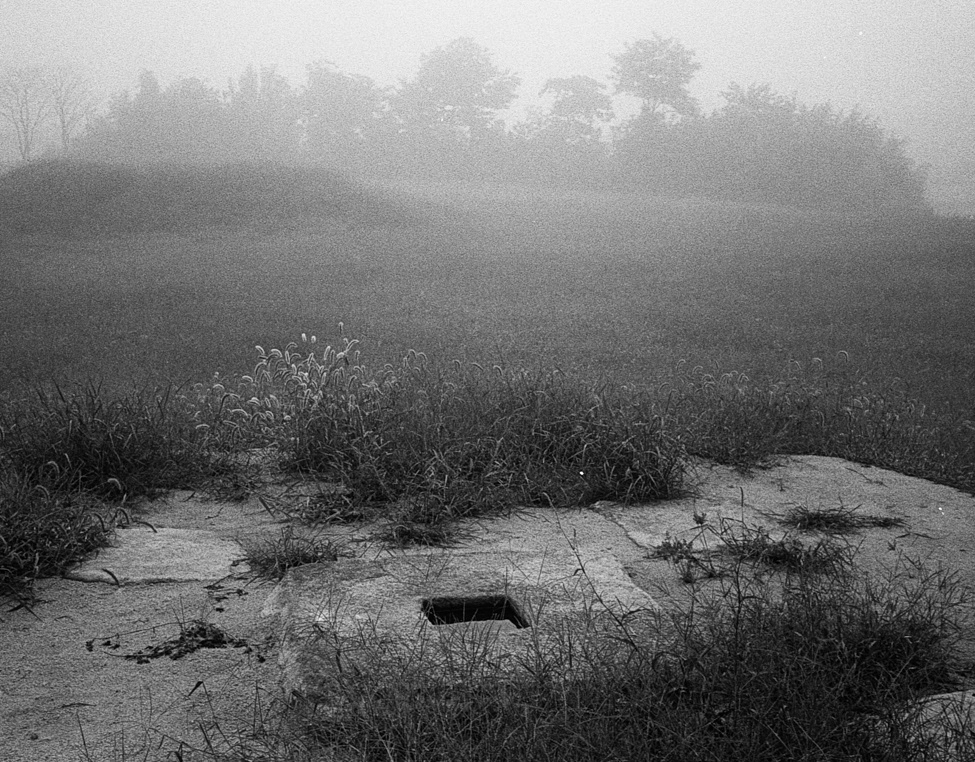
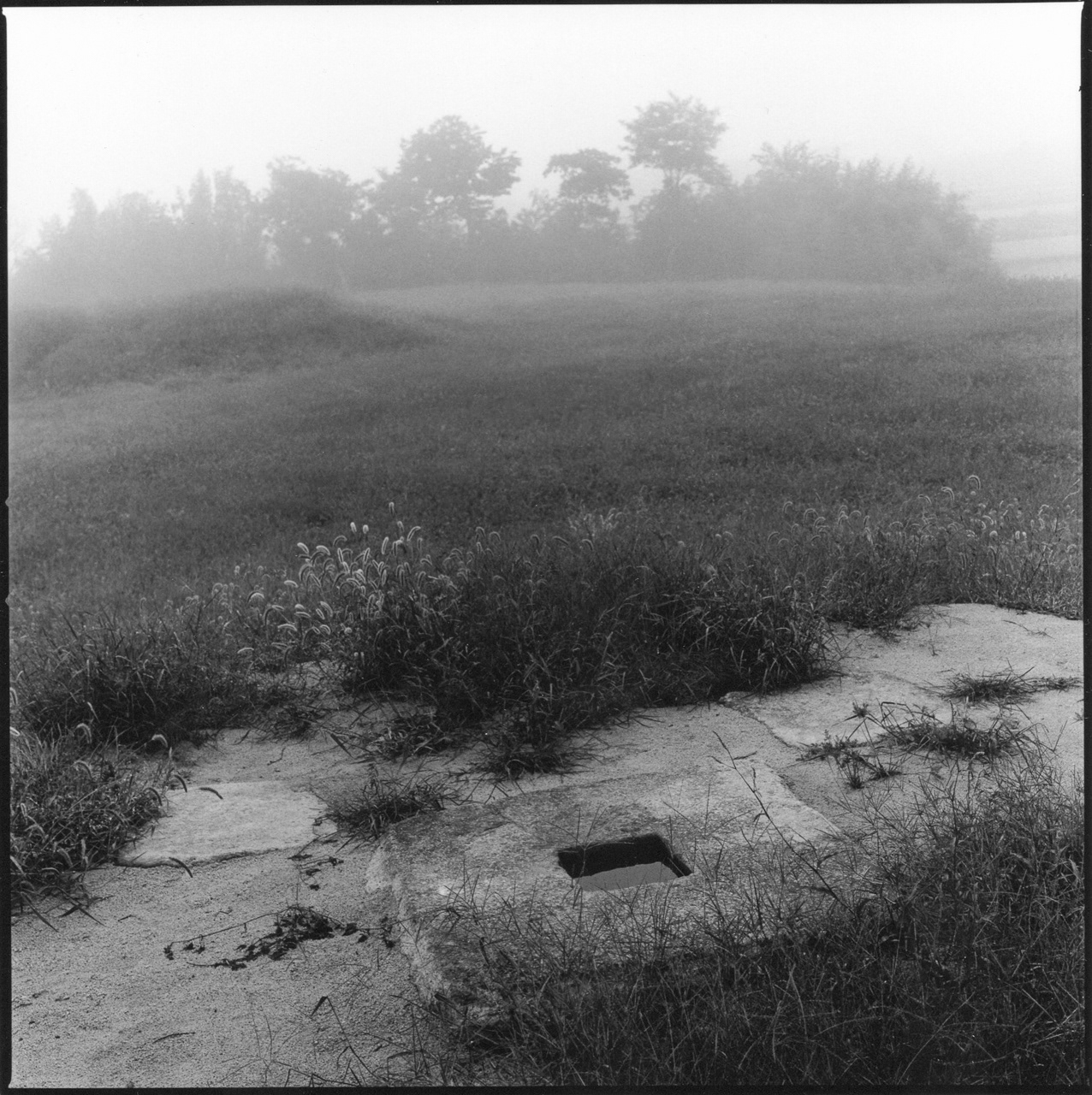
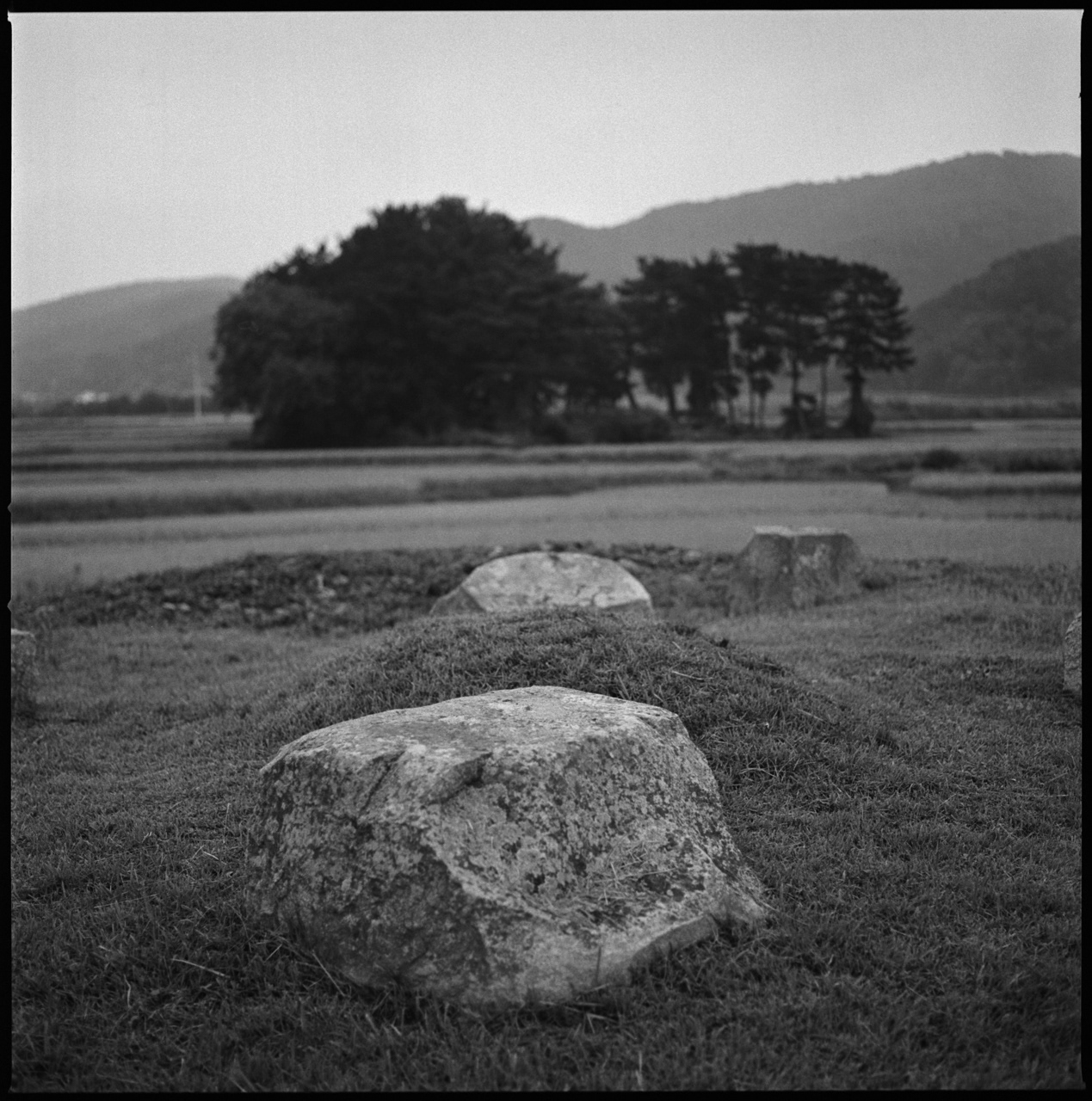
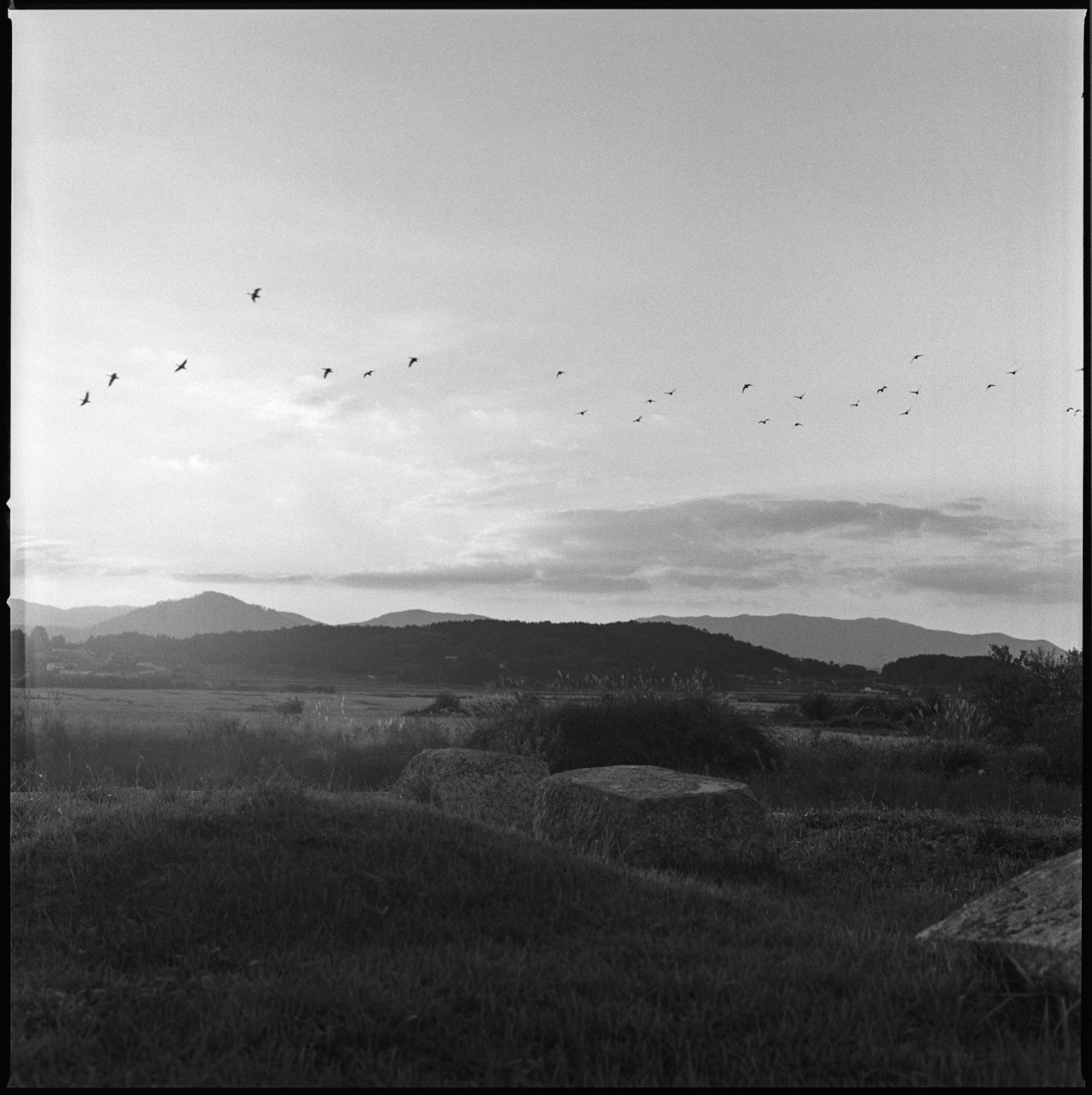
흔적은 금방 사라지기도 하고 때로는 꽤 오래 지속되기도 한다. 그러나 세상은 끊임없이 변화하는 까닭에 결국 언젠가는 완전히 소멸할 것이다. 하지만 영원하지 않기 때문에 오히려 이러한 흔적들은 일순간 상징적인 의미를 획득한다. 그 지점에서 아쉬움과 경이로움이 공존한다. 사진은 흔적을 남기고자 하는 욕구의 결과물이기도 하여, 소멸과 관련된 여러 감정을 밀접하게 표현함에 탁월하다. 나에게 있어 이 작업은 사라지고 잊히는 것들에 대한 관심으로부터 시작되었다. 적막하고 고요하며 외로운 풍경을 통해 그 아쉬움의 정서를 표현하고자 했다.
변화와 스러짐은 불가피한 현상이지만, 최소한 이러한 문화유산을 가능한 한 오랫동안 보존해야 한다고 믿는다. 과거를 되돌아볼 수 있는 매개체가 없다면, 인간은 결과적으로 성찰할 기회를 잃어버릴 것이기 때문이다. 소멸을 앞둔 마지막 풍경인 폐사지를 붙잡을 수는 없지만, 적어도 내가 할 수 있는 일은 이 흔적을 사진이라는 다른 흔적으로 전이(轉移)하는 것이다. 사소해 보이는 것에서도 숨어있는 의미를 발견할 수 있다면 그것은 더 이상 사소한 것이 아니다. 세상에 그 무엇도 사소한 것은 단 하나도 없다.
The Aesthetic of Traces: Between Sorrow and Awe
Traces may disappear in an instant, or they may endure for a long time. However, as the world is in a state of constant flux, everything will eventually reach a point of complete extinction. Yet, it is precisely because they are not eternal that these traces suddenly acquire a symbolic resonance. At that intersection, sorrow and awe coexist. Photography is a product of the human desire to leave a trace, making it an exceptional medium for expressing the complex emotions associated with disappearance. For me, this work began with an interest in things that are fading and being forgotten. Through these desolate, silent, and lonely landscapes, I sought to express the profound sense of sorrow inherent in their passing.
While change and decay are inevitable phenomena, I believe we must preserve these cultural heritages for as long as possible. Without a medium through which to reflect on the past, humanity will ultimately lose the opportunity for self-reflection. I cannot physically hold onto the Pyesaji—the final landscapes awaiting extinction—but what I can do is transfer these traces into another form of trace: the photograph. If we can discover hidden meaning in something that appears trivial, it is no longer trivial. In this world, there is nothing that is truly insignificant.
공적(空寂)의 아름다움: 비움과 채움
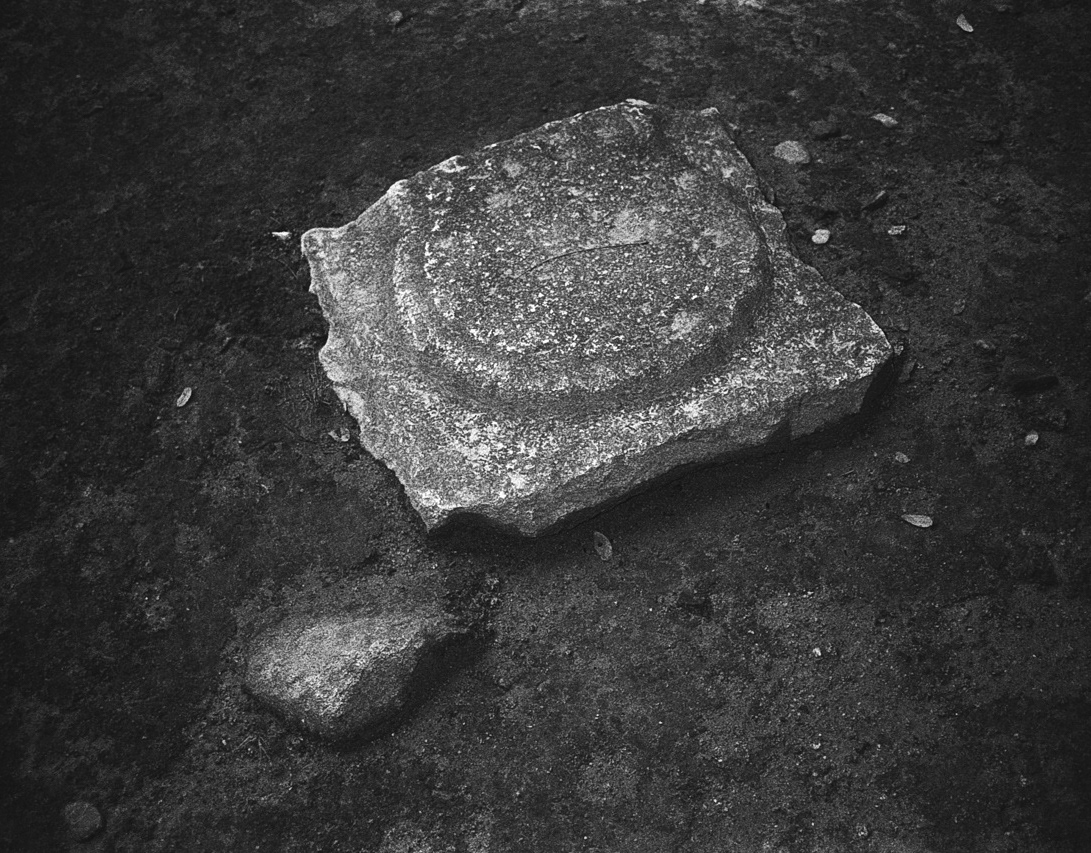
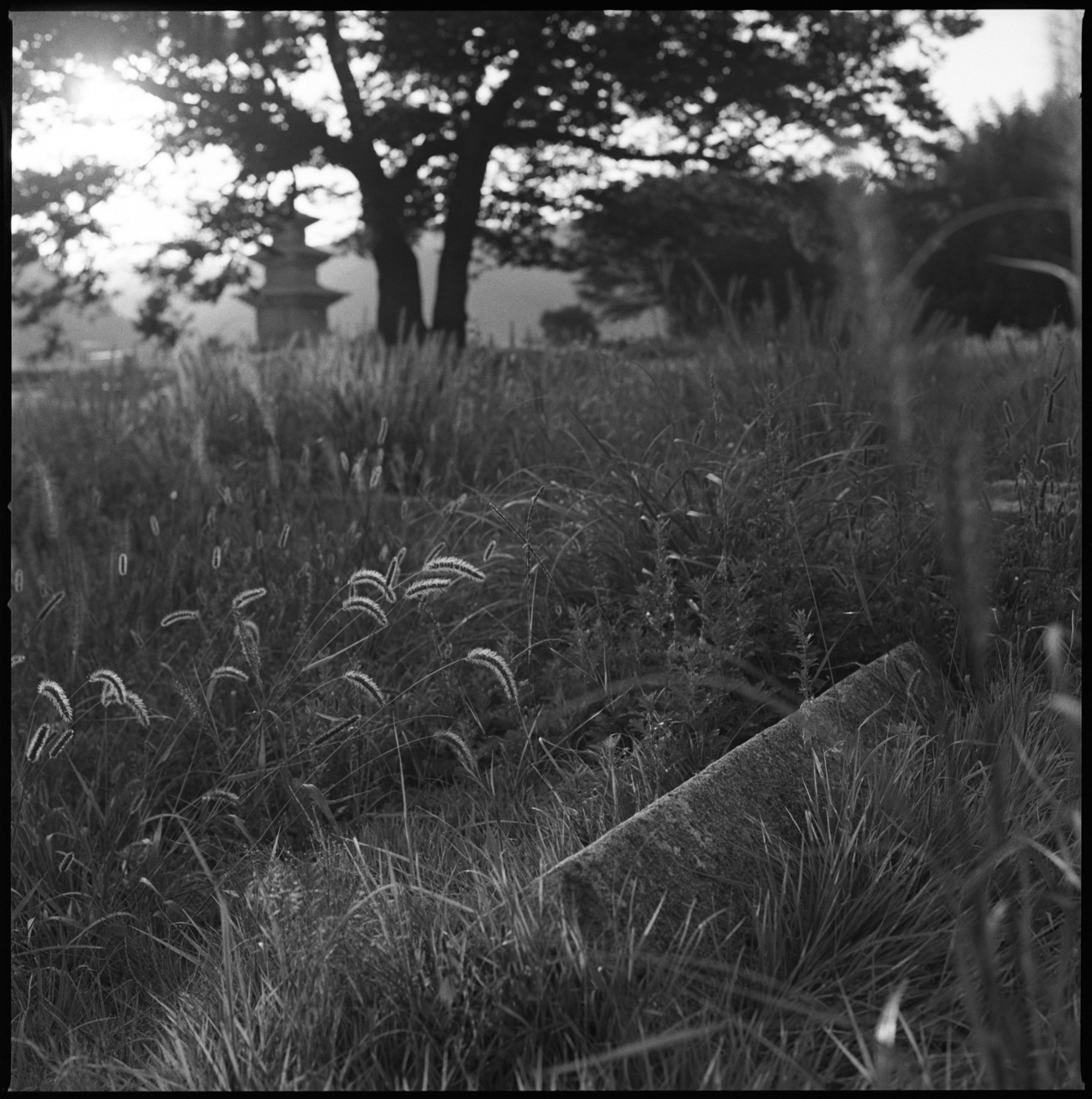
세월이 흘러 지금은 절터 주춧돌 사이로 풀잎들이 무성히 자라나 존재를 숨기고 있다. 이런 풍경에서는 '공적(空寂)'의 아름다움이 느껴진다. 공적이라는 단어는 비어 있고 적막하다는 뜻과 함께, 만물은 실체가 없고 끊임없이 변화한다는 불교적 의미를 내포한다. 이것이 내가 사진들에 붙인 제목의 의도이기도 하다. 다큐멘터리 사진은 실재에 대한 성찰을 필요로 한다. 일시적인 감동이 아니라 오랫동안 머물러 보아야 한다. 이 사진들을 통해 의도하고자 한 바는 사라져가는 문화에 대한 성찰이다. 나의 관심은 매일 지나치는 사소한 순간들과 사라져가는 풍경에 있다. 이러한 사소한 것들이야말로 진정으로 소중히 여겨야 할 가치임을 믿어 의심치 않는다. 무언가가 아름다운 이유는 영원하지 않기 때문일 것이다. 폐사지에 머물면 비움과 채움의 아름다움이 느껴진다. 이는 각박한 현대의 삶 속에 반드시 필요한 가치들이다.
The Beauty of Gong-jeok (空寂): Emptying and Filling
As the years have passed, blades of grass now grow thick between the foundation stones of these temple sites, concealing their presence. Within these scenes, I sense the beauty of Gong-jeok. The term Gong-jeok (空寂) signifies being empty and still, while also encompassing the Buddhist concept that all things lack a permanent essence and are in a state of constant change. This is the intention behind the title I have given to these photographs. Documentary photography demands a profound reflection on reality; it requires one to stay and observe for a long time, rather than seeking fleeting inspiration. Through these images, my intent is to foster reflection on a vanishing culture. My interest lies in these fleeting moments and disappearing landscapes—the "trivial" things we pass by every day. I firmly believe that these small things are exactly what we must truly value and cherish. Perhaps the reason something is beautiful is that it does not last forever. Standing in a Pyesaji, I feel the beauty of both emptying and filling. These are the very values we need in our harsh, modern lives.