견고한 일상 속의 틈
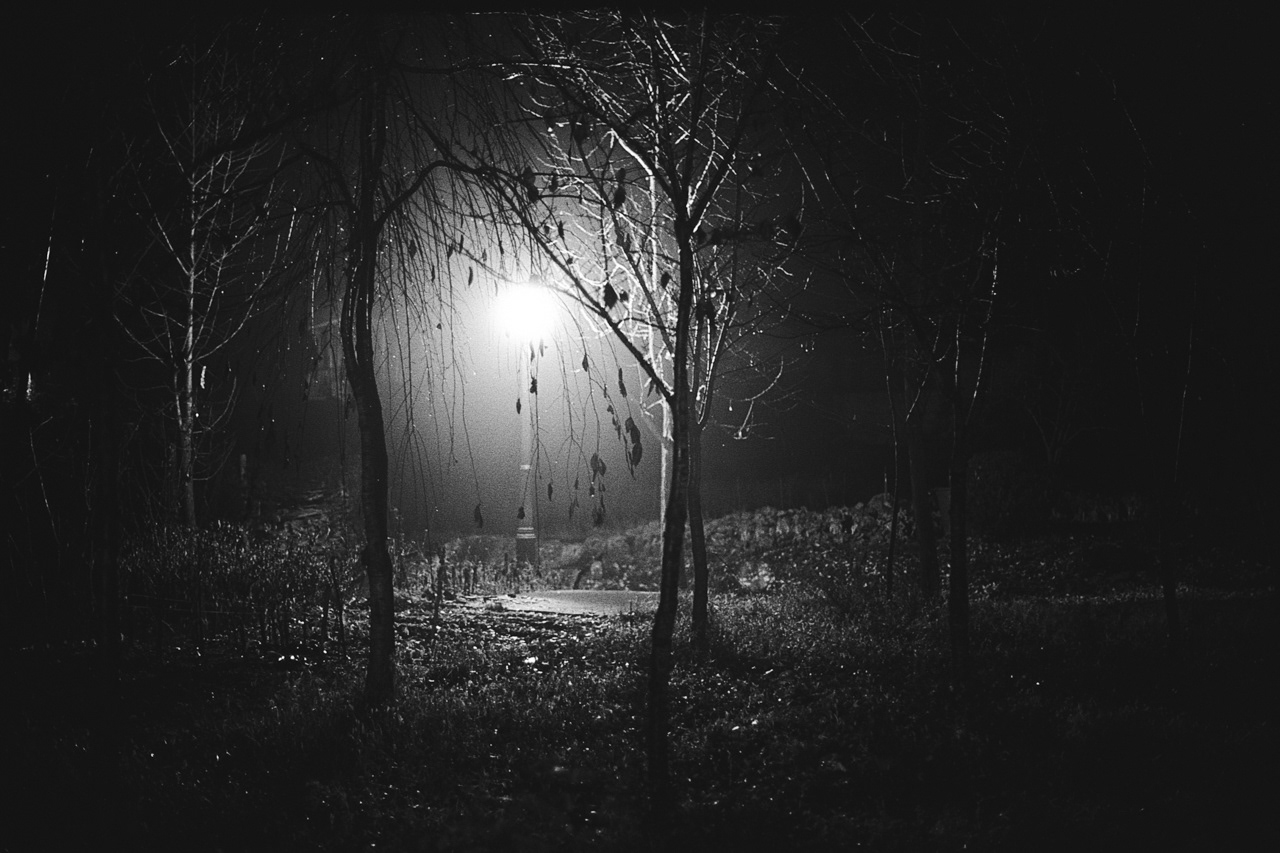
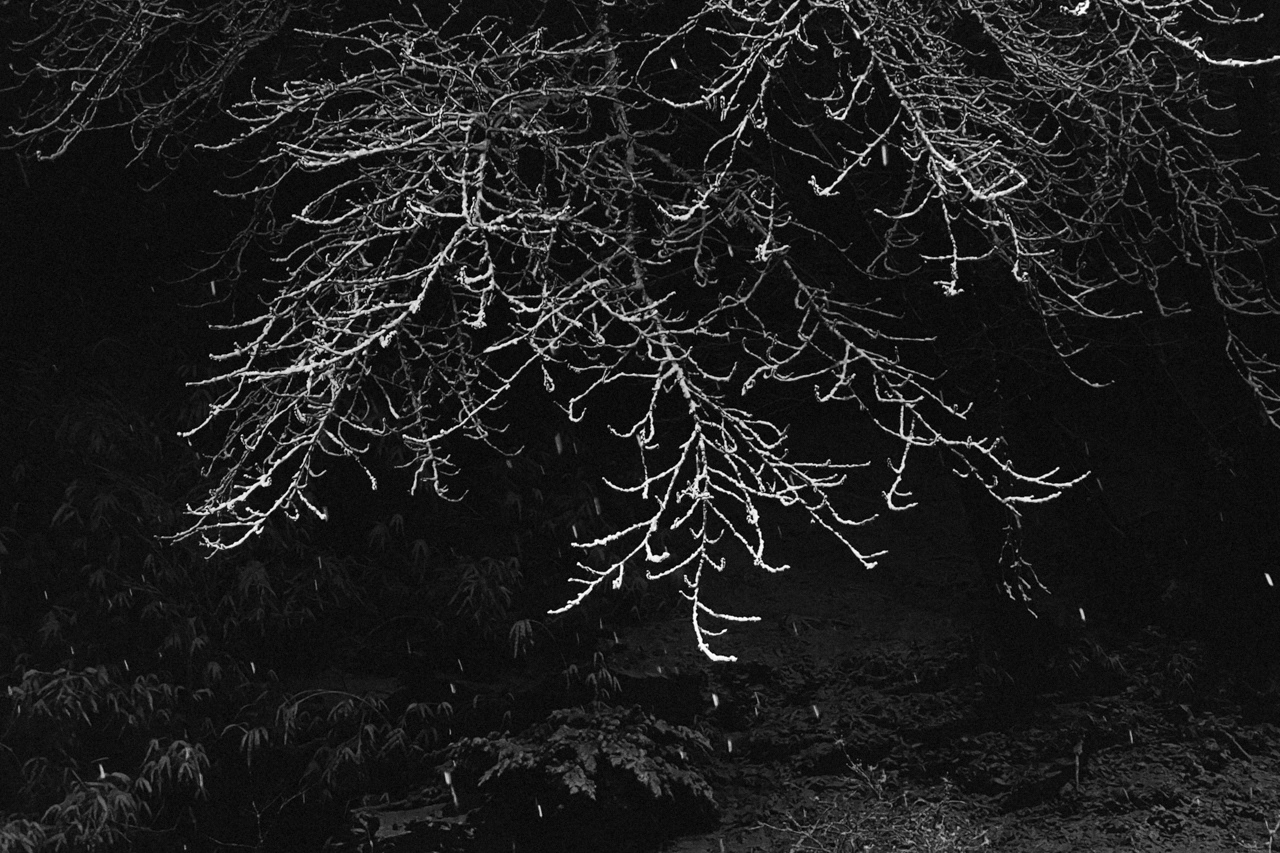
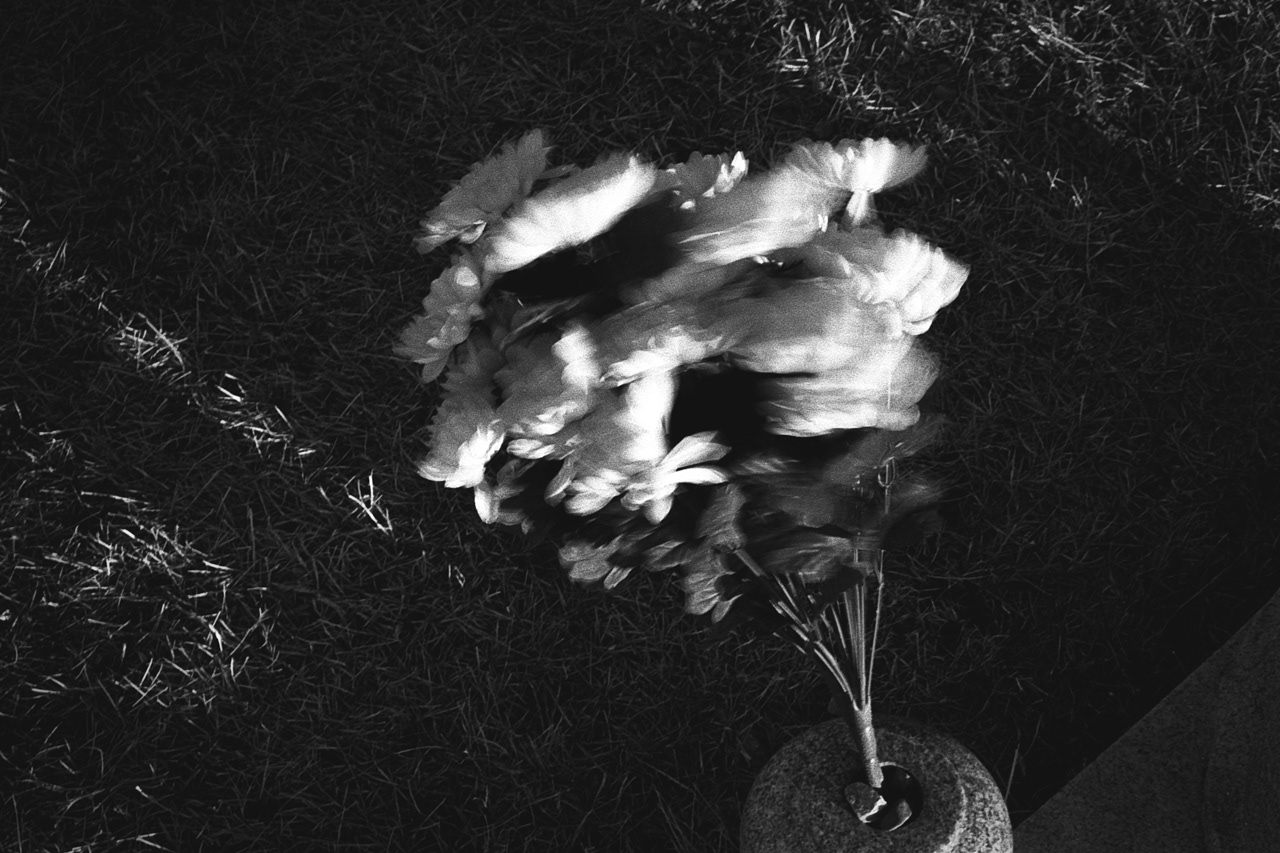
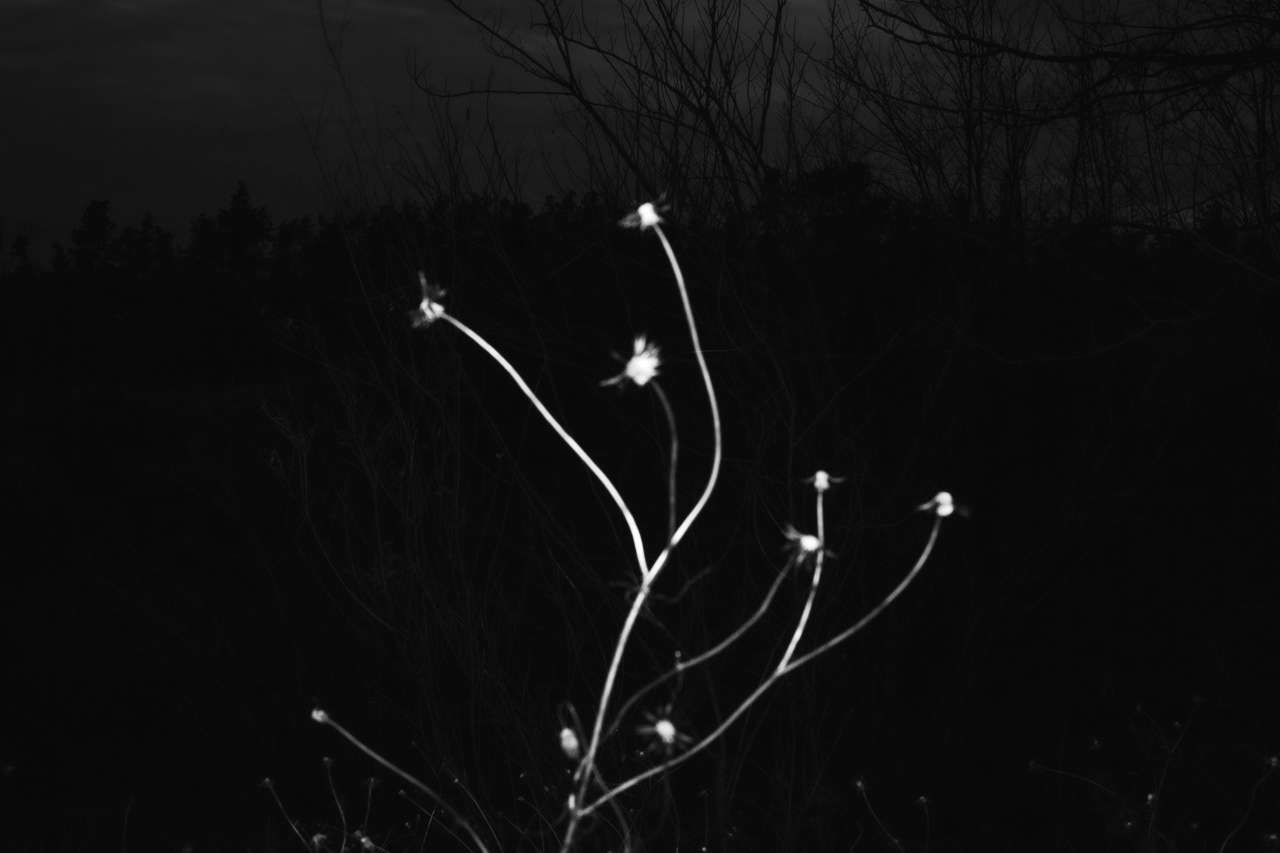
‘마음의 풍경’이라는 파편적인 이미지를 단번에 정리하는 하나의 문구를 본 적이 있다. 느낌에 대한 것들은 시각적이든 언어적이든 표현이 쉽지 않지만, 어쨌거나 표현된 것은 제작자의 관심을 끄는 것으로서, 그 사람이 줄곧 그려왔던 고유한 모습이라고 생각될 수 있다. 하지만 이는 너무 단순한 맥락일지도 모른다. ‘내 마음의 풍경’이라는 말 속에서 ‘풍경’은 실로 나 자신의 심리일까? 아니면 어쩌면 살아온 환경에서 이미 경험해온 무의식적 전승이 아닐까?
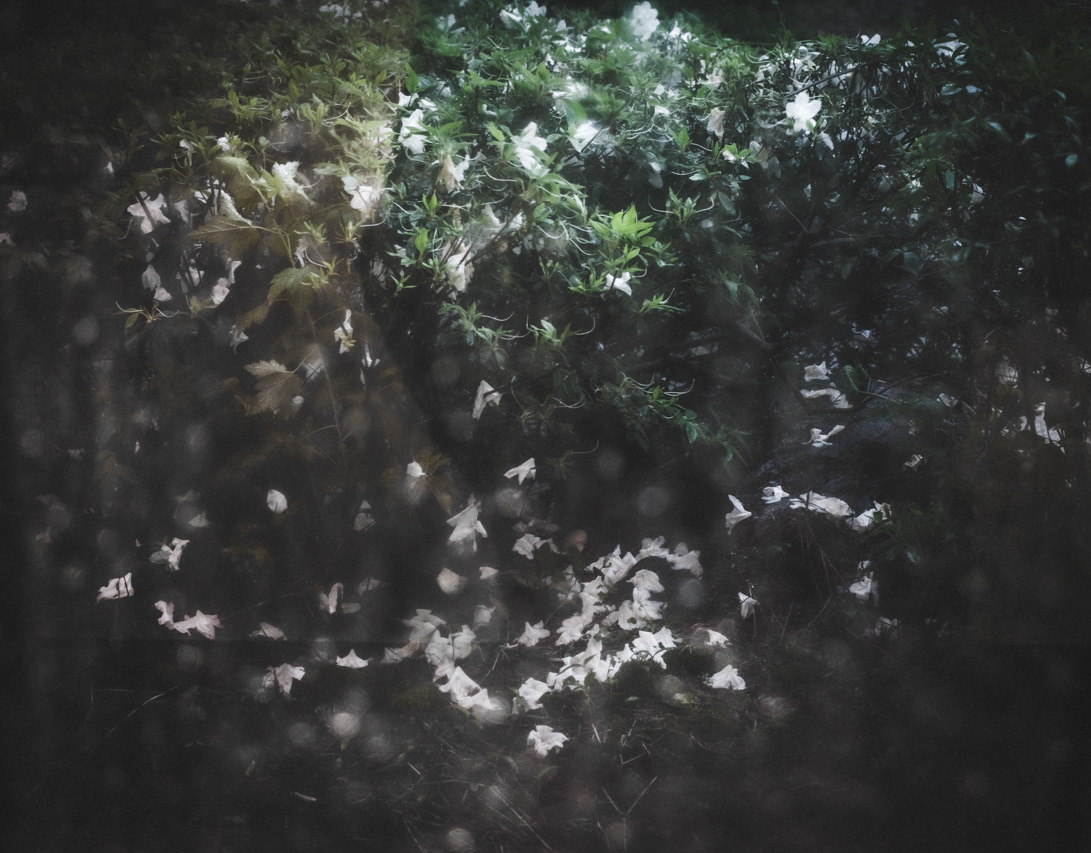
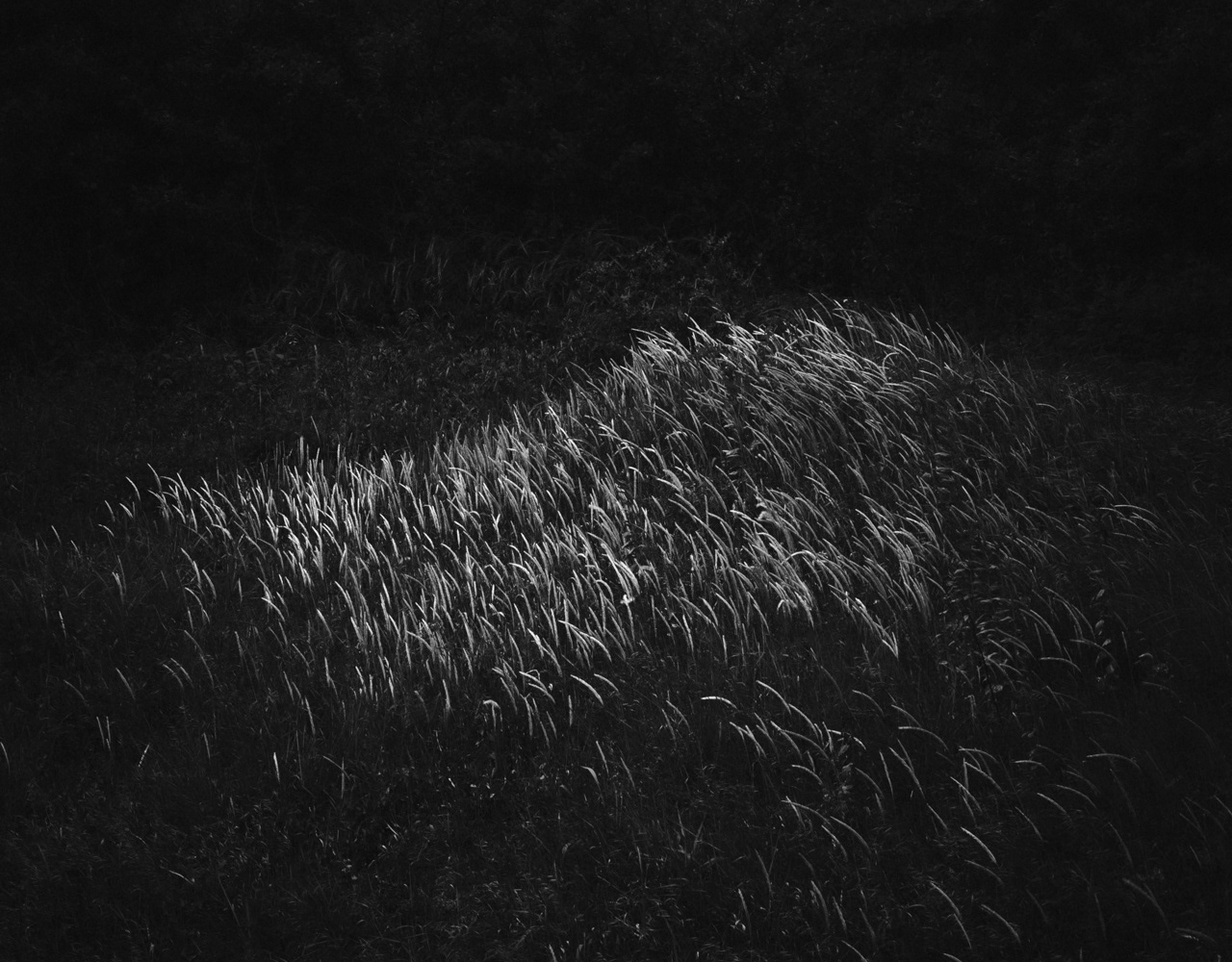
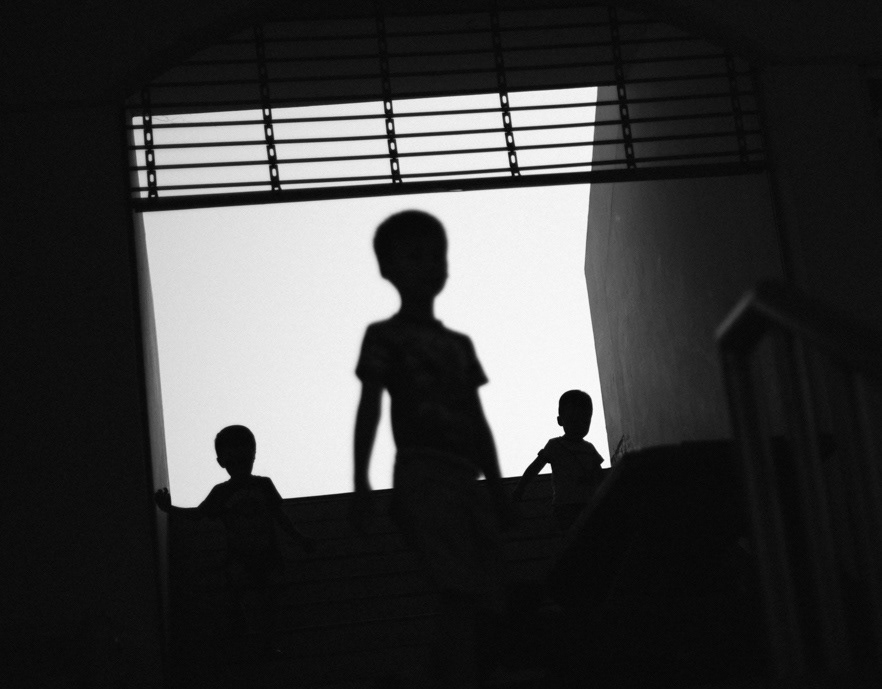
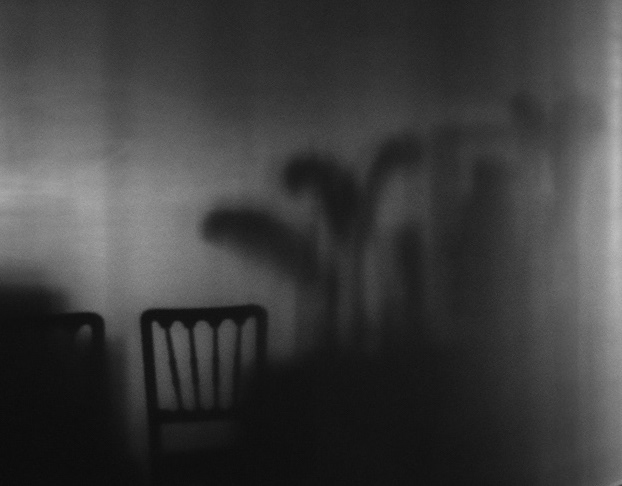
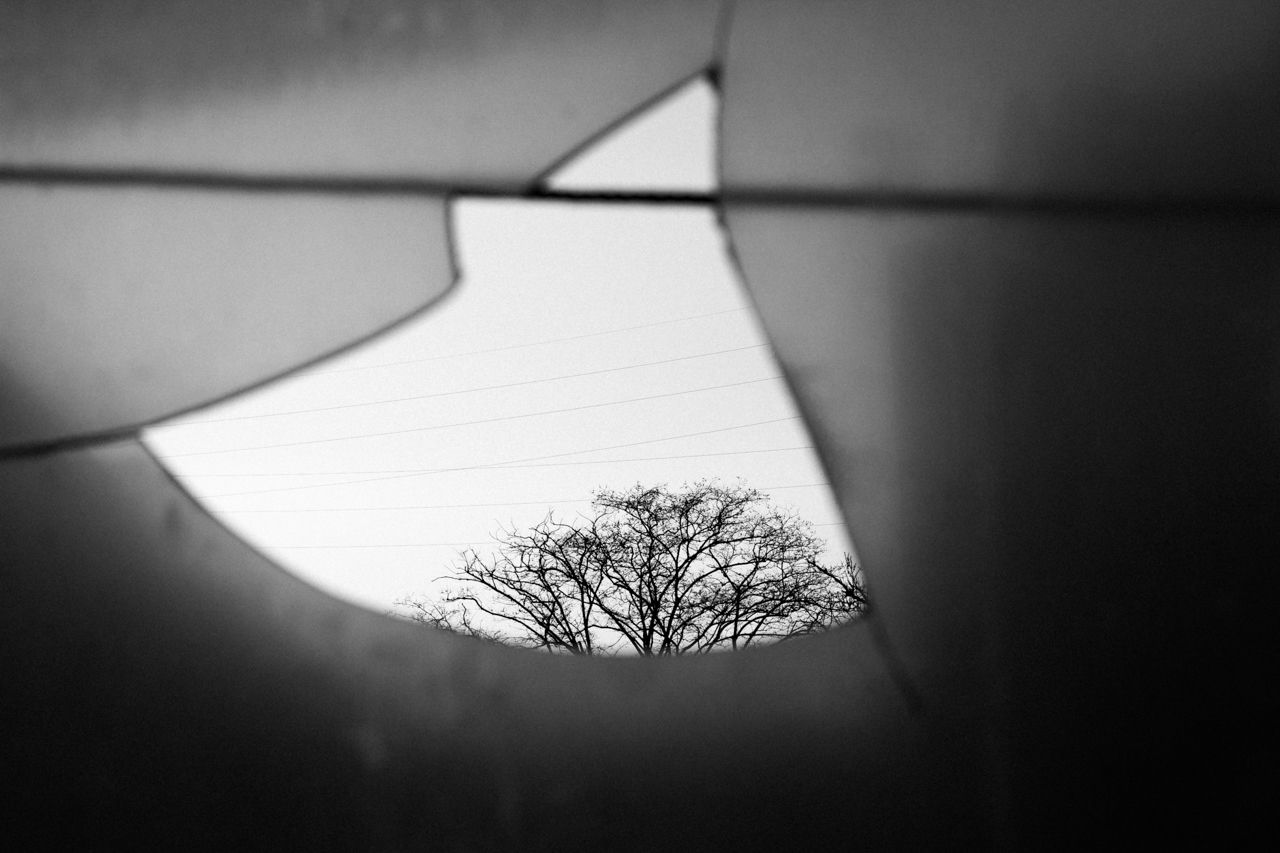
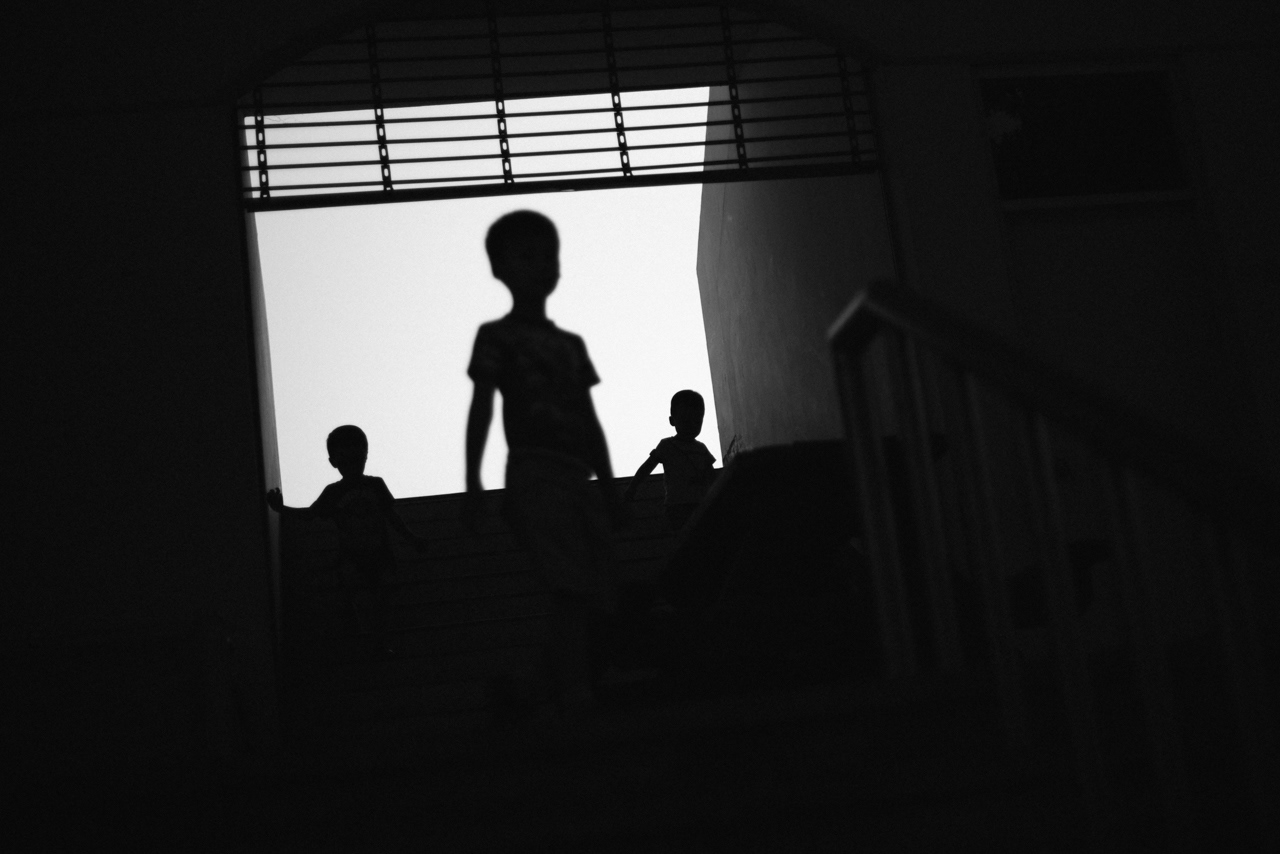
이런 의문이 들었을때, 사진 속에 드러난 외적 표현 뿐만 아니라, 사진 속 이미지가 단순히 외부의 풍경을 넘어, 나를 둘러싼 환경이나 내면의 구속과 어떤 연결고리를 갖는지 성찰해야 한다고 느꼈다. 나는 조각나 있는 세계의 이미지를 수집하는 행위를 단순한 ‘풍경’이 아닌 현실과 맞닥뜨린 자신의 모습과 그 과정과 결부된 것이라 결론지었다.
분석하는 행위는 무엇을 의미할까? 자신을 제대로 알기 위해 스스로를 분석해야 할까? 끊임없이 자신을 분석하는 가운데 오히려 나는 잘게 조각되어 갔고, 나를 이해하려 할수록 나를 놓치는 느낌이 들었다. 스스로 감정에 귀 기울이는 법을 배워야만 했다. 불분명한 목적의 이해와 무뎌진 감수성은 점점 나를 동일한 패턴 속에 가둬놓고 있었다. 그래서 끊임없이 질문해야만 했다.
무엇 때문에 셔터를 눌러댔던 걸까? 사실 돌이켜 보면 목적지 없는 항해를 시작한 느낌이다. 카메라를 잡은 지 수년이 지난 지금, 사진 작업을 통해 내가 얻고자 한 것은 무엇이었을까. 타인으로부터 기대나 인정을 위한 그저 그런 이미지 수집에 불과했나? 무엇을 얻고자 작업을 시작한 것은 아니었다. 단지 내가 보고 느끼는 세상에 대해 기록하는 것이 흥미로웠을 뿐이다. 그러나 시간이 지나고 책임감을 부여받는 시점에 들어섰을 때, 무엇을 ‘생산’해야 한다는 그러한 느낌으로부터 나는 스스로 목을 죄었다. 결국 쓸모없다고 느껴질 수 있는, 어떤 목적 없는 인간이 되어갔던 것이다.
세상에 펼쳐진 수많은 모습들 사이에서 나 자신은 초라하게만 느껴졌고, 더 이상 지체할 수 없는 지점에 서서 멀뚱히 생각에 빠져있다. 여기서 더 이상 전진하지 못하면, 미완성된 것처럼 아쉬움과 무책임한 자기합리화만 남을 듯하다. 하지만 내 작업을 세상에 드러내는 일은 곧 냉혹한 평가대 위에 서는 일이다. 그래서 두렵고 벌거벗겨질 것만 같은 암흑이 엄습한다.
철학자 비트겐슈타인은 “생각하지 말고 보라!”라고 말한다. 어쩌면 나는 쓸데없이 언어적 혼란 속에 떠돌고 있을지도 모른다. 이런저런 말들을 덧붙여 나갔고, 어떤 의미나 형태를 부여하고자 했지만, 시답잖고 더 지저분해질 뿐이었다. 이토록 마음이 복잡한 까닭은, 세상을 편견 없이 있는 그대로 바라보지 못하기 때문일 것이다. 자신도 모르게 타자의 시선으로 바라본 세상은 온통 파라다이스였지만, 의식이 돌아올 때쯤이면 회의감으로 가득 찬 ‘나’로 돌아온다. 그때마다 계속해서 되뇐다. 단지 보고, 들은 것뿐, 그 이상 의미는 부여하지 말아야 한다.
비교는 한 존재자의 모습을 제대로 바라보지 못하게 한다. 어떤 영역에서는 빛을 발할지 모르겠지만, 존재적인 영역에선 전혀 그 효과를 발휘하지 못하는 것으로 보인다. 개인의 자아를 발견하고 주목하는 것은 이제 역사가 꽤 오래되었다. 이젠 지겹게 보이기도 하는 단어, 에고(ego). 하지만 그것에서 출발할 수밖에 없다는 것을 안다. 왜냐하면 인식의 주체는 다른 곳에 있지 않기 때문이다.
이러한 사색으로부터 삶은 현실과 이상의 결합이라는 모순적인 구조를 가진다는 것 또한 깨달았다. 그래서 나는 내 작업에서 어떤 목적, 구체적으로 명예나 물질 같은 목적들로부터 거리를 두기로 했다. 그렇게 나는 목적을 취하지 않는 상태로 회귀했다. 하지만 아이러니하게도 그 비워냄의 끝에서 가장 선명한 목적과 마주했다. 그것은 다름 아닌 사진을 통한 '자아의 확장’이었다. 카메라는 항상 내 손에 있었고 렌즈를 통해 본 많은 상황으로부터 나는 어떤 알 수 없는 은유적인 것을, 내 삶에 대입될 것만 같은 생각에서 그 순간만큼은 일종의 깨어질 수 없는 일상성의 균열이 인지되는 것 같았다. 그렇게 나는 끊임없이 이미지를 생산했다. 그것은 끝없는 연습이기도 했으며, 말할 수 없는 것을 기록함이기도 했다. 그리고 그것은 모두 내 모습이기도 하다.
일상성의 균열 속에 어떤 심리적인 색채가 드러나는 것은 아닐는지. 세상에 펼쳐진 어떤 존재의 모습으로부터 위로받고 싶었던 것일까? 아니면 세상을 구성해보고 싶었던 것일까. 그렇게 나는 어찌해볼 수 없는 일상적인 삶 앞에서 벗어나 보기 위해 끊임없이 틈을 찾아 아등바등했던 것일지도 모른다.
A Slit in the Firm Ordinary
I once encountered a phrase that crystallized the fragmentary images of the "landscapes of the mind" with singular clarity. While things concerning "feeling"—whether expressed visually or through language—are never easy to articulate, I believe that what eventually finds expression reveals the creator's true interests; it is the unique form they have long envisioned. Yet, this might be too simplistic a context. Within the phrase "landscape of my mind," is the "landscape" truly my own psychology? Or is it perhaps an unconscious transmission inherited from the environment in which I have lived?
When these questions arose, I felt a profound need to reflect on how the images in my photographs—beyond being mere external scenery—connect to my surrounding environment or internal constraints. I concluded that the act of collecting images of a fragmented world is not merely about "landscapes," but is inextricably linked to my own self confronting reality and the processes involved in that encounter.
What does the act of analysis truly mean? Must one analyze oneself to truly know oneself? In the constant pursuit of self-analysis, I found myself becoming finely fragmented; the more I tried to understand myself, the more I felt I was losing my grip on who I was. I had to learn how to listen to my own emotions. An unclear sense of purpose and a dulled sensibility were gradually trapping me within the same repetitive patterns. Thus, I had no choice but to ask questions incessantly.
Why did I persist in pressing the shutter? Looking back, it feels as though I began a voyage without a destination. Now, years after first picking up a camera, I wonder what I truly hoped to gain through my photographic work. Was it merely a collection of images intended for the expectations or recognition of others? I did not start this work to achieve something specific. It was simply interesting to record the world as I saw and felt it. However, as time passed and I entered a stage of professional responsibility, the pressure to "produce" began to suffocate me. Consequently, I became an aimless individual who felt, in some ways, useless.
Among the countless facets of the world, I felt small and insignificant. Standing at a point where I can no longer delay, I am lost in thought. If I cannot move forward from here, I fear only regret and irresponsible self-justification will remain, like something left unfinished. Yet, revealing my work to the world means standing upon a cold, unforgiving stage of evaluation. Thus, I am haunted by a darkness that feels both fearful and exposing.
The philosopher Wittgenstein said, "Don't think, but look!" Perhaps I have been drifting aimlessly within a sea of linguistic confusion. I kept adding words and tried to bestow meaning or form upon them, but they only became more trivial and cluttered. The reason my mind is so complicated is likely that I cannot view the world exactly as it is, without prejudice. Without realizing it, the world viewed through the eyes of others seemed like a paradise, but by the time my consciousness returned, I found myself filled with skepticism. Each time, I repeat to myself: "Only see and hear; do not bestow meaning beyond that."
Comparison prevents us from truly seeing the essence of a being. While it might shine in certain realms, it appears to have no effect in the realm of existence. It has been a long time since the discovery and focus on the individual self began. The word "Ego" has now become almost tiresome. Yet, I know I have no choice but to start from there, for the subject of perception exists nowhere else.
Through these meditations, I realized that life possesses a paradoxical structure—a union of reality and ideals. Therefore, I decided to distance my work from external goals, specifically those involving fame or material wealth. I returned to a state of not pursuing a specific purpose. Yet, ironically, at the end of this emptying, I encountered my most vivid purpose: the "expansion of the self" through photography. The camera was always in my hand, and through the many situations viewed through the lens, I perceived something unknown and metaphorical. In the thought that it might be applied to my life, I sensed an unbreakable fissure in the ordinary. Thus, I constantly produced images. It was an endless practice, a recording of the unspeakable—and it is all a reflection of myself.
I wonder if a certain psychological hue reveals itself within these cracks of the ordinary. Did I want to find comfort in the appearance of some existence in this world? Or did I want to construct the world itself? Perhaps I was simply struggling to find a "slit" in order to escape the inevitable weight of daily life.